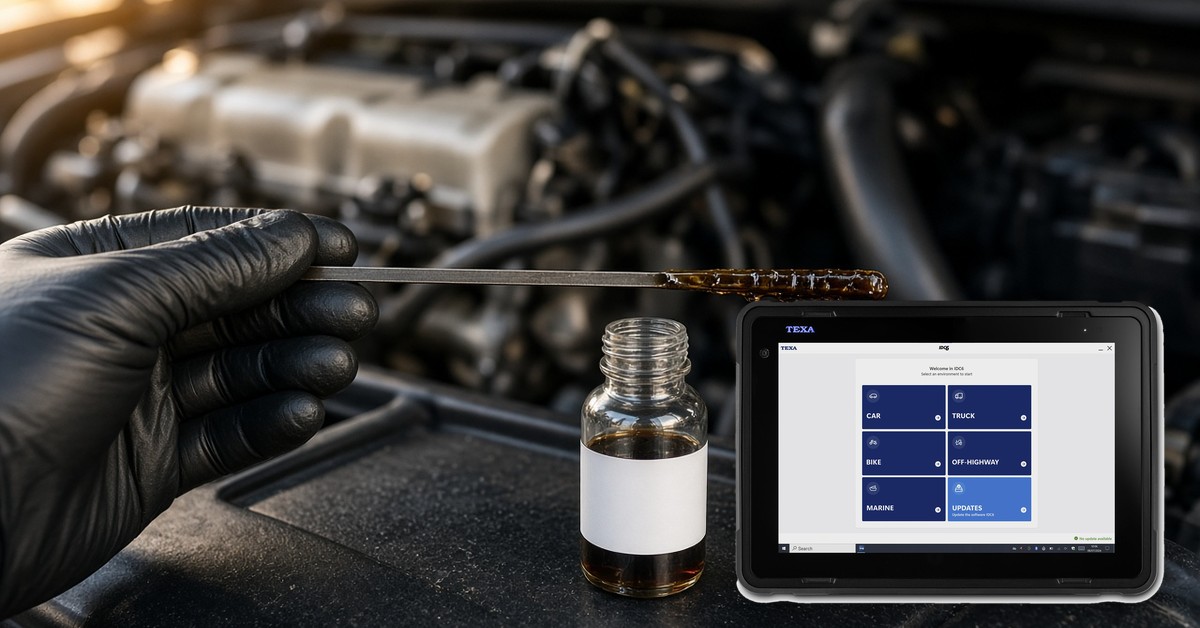
If the dipstick on a diesel reads higher at this PM than it did at the last one, that is not a bonus. Oil does not make more of itself. A rising oil level usually means something is getting into the crankcase, and diesel fuel is one of the most common suspects. Fuel dilution thins the oil, cuts its ability to protect bearings and other wear surfaces, and points to a problem upstream that an oil change alone will not fix.
What fuel dilution is
Fuel dilution is unburned diesel ending up in the engine oil. A small amount can show up in normal operation, but a steady climb in oil level, a thin oil feel, or a fuel smell on the dipstick are signs that the amount is no longer normal. Your oil supplier or engine OEM sets the limits for your engine, so use their numbers, not a rule of thumb.
Common causes
- A leaking or sticking injector. An injector that dribbles or does not seal can send fuel past the rings and into the oil.
- Frequent or incomplete regens on some engines. Some engines use extra fuel during active regeneration. When regens keep starting and not finishing, as with idle-heavy or short-trip duty cycles, more fuel can wash into the oil. Our guide to emissions rules and aftertreatment and our EPA 2027 diagnostic setup guide cover the aftertreatment side.
- Internal fuel system leaks. Depending on the engine design, leaks from fuel lines, seals or pump components can reach the crankcase. Check the OEM service information for your engine.
- Extended idling and cold operation. Low cylinder temperatures mean less complete combustion.
Symptoms to watch for
- Oil level rising between PMs
- Oil that looks or feels thin, or smells of fuel
- Low oil pressure readings or warnings
- Frequent regens, high soot load or rough running
- Injector balance or fuel system fault codes
How to confirm it
Start with records. Log the oil level at every PM and every top-off, so you can see a trend instead of guessing from one reading. Then send a sample for oil analysis. A lab report confirms whether fuel is present and also checks for glycol, which points to a coolant leak instead. Confirming the contaminant before you start tearing into the engine saves time and parts.
Finding the source with TEXA IDC6 Truck
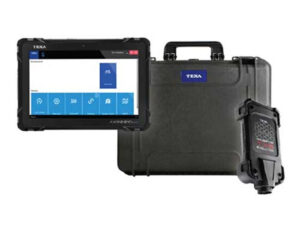
Once oil analysis confirms fuel, the job is finding why it got there. On supported engines, TEXA IDC6 Truck helps narrow it down:
- Fault codes and freeze frame data from the engine and aftertreatment modules, read across many makes in one tool.
- Live data such as rail pressure, injector correction values, soot load and regen history, so you can see whether one cylinder stands out or regens keep getting cut short.
- Injector and cylinder tests such as cut-out or balance tests, plus service routines where the engine supports them. Available tests vary by engine make, model and year, so check coverage for your fleet.
Pair the scan data with the mechanical tests in the OEM procedure, such as fuel return flow testing, to confirm which injector or component is at fault. Our free diesel truck wiring diagrams can help when a test points to a circuit.
Find the cause, not just the symptom
Changing the oil removes the evidence and resets the clock, but the fuel will come back. Ask why fuel is getting in, then why that part failed. If the answer is incomplete regens, the real fix may be the duty cycle or another fault that keeps stopping the regen. If it is an injector, ask what caused it, such as fuel quality. Our winter diesel fuel and DEF checklist covers fuel quality basics.
Build the diagnostic habit
Finding the cause, not just the symptom, is a skill. Mechanic Mindset’s Diagnostic Coach is online diagnostic training from Darren Quinn built around a step-by-step method for testing before replacing parts, which fits chasing fuel dilution well. Defy Diagnostics is an affiliate of Mechanic Mindset; the training is theirs. As Mechanic Mindset’s current offer, subject to change, the annual plan includes a free multimeter and sensor simulator.
Support from Defy Diagnostics
Active TEXA users get remote support from Dave, 9 to 5 ET, covering tool hardware and software, plus remote training on using the tool. We help with setup and activation so your team can get to work faster. TEXA tools from Defy carry a 1-year warranty. Browse our TEXA diesel and heavy duty diagnostic kits or call 864-803-3744 or email Dave@DefyDiagnostics.com for a kit quote.
Frequently asked questions
What causes fuel in diesel engine oil?
Common causes include a leaking or sticking injector, frequent or incomplete regens on some engines, internal fuel system leaks depending on engine design, and long idle periods. The OEM service information for your engine lists the specific causes to check.
How do I know if my diesel has fuel in the oil?
A rising oil level between PMs, thin oil, or a fuel smell on the dipstick are warning signs. An oil analysis confirms it and also checks for glycol from a coolant leak.
Is fuel dilution harmful?
Fuel thins the oil and reduces its ability to protect bearings and other wear surfaces. Follow your engine OEM and oil supplier limits and find the source promptly.
Can a scan tool find the cause of fuel dilution?
A scan tool such as TEXA IDC6 Truck can show fault codes, live data and regen history and run injector tests on supported engines. Combine that with the OEM mechanical tests to confirm the source.
Talk to a Diagnostic Expert
Want to know which tests IDC6 Truck supports on your engines? Call 864-803-3744 or email Dave@DefyDiagnostics.com.