
Engine makers are heading into model year 2027 with different plans, and buyers are taking their time. For a lot of fleets, that means the trucks already in the yard will be working longer than planned. If that is your situation, your diagnostic setup matters more than it did a year ago.
This guide follows up our EPA 2027 emissions rule breakdown. Here is what OEMs are saying now, and what to look for in a diagnostic tool when you are keeping older trucks on the road.
What OEMs are saying about 2027
At a Daimler Truck Financial Services panel in Charlotte on October 17, Daimler Truck CFO Eva Scherer said Daimler is going to market with a fully EPA 2027 compliant Detroit engine rather than relying on credits or nonconformance penalties. According to FreightWaves, the new engine shares roughly two-thirds of its parts with the current generation, and Daimler says it delivers about 3 percent better fuel economy.
The same report notes that Daimler released its 2027 price list in September and saw no spike in orders. With the final rules and penalty structure still uncertain, buyers are waiting.
Volvo is taking a different path. Volvo Trucks North America president and CEO Peter Voorhoeve told Truck News that Volvo will offer both its EPA27 engine and its legacy engine, using nonconformance penalties. He predicted that most sales in the first six months of 2027 will be EPA24 technology “because of hesitation, because of cost.”
Put those together and the picture for fleet managers is clear: there is no rush to beat, and current-generation trucks will be a big part of most fleets for years.
Why older trucks put more weight on diagnostics
Trucks from 2010 through 2026 run SCR, DEF, NOx sensors and DPFs. As those trucks add miles, aftertreatment becomes a steady share of the work. The faults are familiar: DEF quality and dosing, NOx sensor readings, SCR efficiency, DPF soot load and regens.
Every one of those jobs is faster and cheaper when your own techs can read live data, run tests and force a regen in your bay instead of waiting on a dealer slot. When a truck is staying in service longer, that in-house capability pays back more times.
What your diagnostic setup needs
1. Coverage across engine generations
A mixed fleet can run pre-2010 trucks, 2010 to 2026 trucks, and whatever 2027 engines you add. One tool that covers all of them keeps your techs on one workflow.
2. Aftertreatment depth, not just codes
Reading a code is the start. Look for live data on DEF, NOx and DPF systems, component tests, and service functions like forced regens and resets.
3. Current software
Coverage only helps if it is current. New engine platforms, wiring diagrams and technical sheets arrive through software updates, so plan for them in your budget.
4. Support when a job gets stuck
A tool is only as good as the help behind it when a fault does not make sense.
Where TEXA IDC6 Truck fits
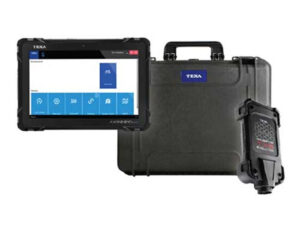
TEXA IDC6 Truck covers the major North American heavy duty brands, including Freightliner, International, Kenworth, Mack, Peterbilt and Western Star, along with Cummins engines. It includes live data dashboards, wiring diagrams and technical sheets for repair work.
Updates come through TEXPACK. A one-year IDC6 Truck TEXPACK renewal is $995, and it keeps new coverage, updates and fixes coming for that license. See IDC6 software renewal for details, or browse our diesel diagnostic kits and heavy duty diagnostics articles.
One more tip for the bay: when you run software updates or programming on a truck with a 12 V system, keep the voltage steady.
Support from Defy Diagnostics
Active TEXA users get free remote support from Dave, 9 to 5 ET, plus unlimited remote training. We help with setup and activation, so your techs can get to work on day one.
Talk to a Diagnostic Expert
Questions about keeping your trucks through 2027 or whether your vehicles are covered? Call 864-803-3744 or email Dave@DefyDiagnostics.com. Ready to price it out? Request Your Custom Kit Quote.