
INTRODUCTION
What happens when you bring together 300+ of the most forward-thinking fleet managers, government leaders, and industry innovators under one roof? You get the FLAGFA Fall Conference 2025—an energizing mix of leadership lessons, cutting-edge technology, and collaborative problem-solving.
Held at the Tradewinds Isle Grand Resort, this year’s conference delivered two packed days of inspiration, networking, and tangible strategies for fleet professionals tasked with keeping local government operations moving. From a gripping keynote by Captain Richard Phillips to practical fleet leadership sessions, the event reaffirmed why FLAGFA remains one of the most valuable conferences in the fleet industry.
In this recap, we’ll walk you through the highlights: the powerful leadership takeaways, the future of AI in fleet management, the best practices shared by top-performing fleet managers, and the 100-vendor expo that showcased everything from diagnostics to new technologies.
Leadership Lessons from the Front Lines
Key Insight: Fleet management isn’t just about vehicles—it’s about people and leadership.
Captain Richard Phillips opened Thursday with a riveting account of his 2009 hijacking by Somali pirates. His story wasn’t just about survival—it was about calm decision-making under extreme pressure. The parallels to fleet management were clear: leaders are defined not in easy times but in moments of crisis.
Colonel Garth Massey of the U.S. Marines followed with his Command Ready leadership framework. His message was direct: discipline, clarity, and mission-first leadership principles apply as much to fleet shops as they do to military operations.
Real-World Application: Fleet managers often juggle shrinking budgets, rising demands, and rapidly advancing technology. By applying Phillips’ and Massey’s leadership principles—decisiveness, preparation, and resilience—leaders can guide their teams with confidence even in high-pressure environments.

While the morning focused on leadership under fire, the afternoon shifted gears into a different kind of challenge: understanding the technology reshaping the world around us. Before fleet leaders can decide how—or when—to use Artificial Intelligence in their operations, they first need to understand what AI actually is. That’s where Jeff Butler’s session came in.
Understanding the Foundations of AI
Key Insight: Before we can apply AI in fleet management—or any industry—we need to understand what it really is.
Jeff Butler’s session didn’t focus on use cases or predictive analytics. Instead, he took attendees back to basics, unpacking the fundamentals of Artificial Intelligence for an audience where many were just beginning to explore the concept.
He explained AI as the science of creating systems that can “think” or “learn” in ways that mimic human intelligence—whether through recognizing patterns, processing language, or solving problems faster than traditional software. Butler highlighted how we already interact with AI daily without realizing it: voice assistants, online recommendations, and even email spam filters are powered by it.
Analogy for Beginners: Think of AI as a student who never stops learning. The more data you feed it, the better it gets at recognizing patterns and making decisions—much like a mechanic who improves after diagnosing thousands of vehicles.
Common Misconception: AI isn’t magic, nor is it replacing humans overnight. It’s a set of tools that still depend on human oversight, quality data, and context to be effective.
Takeaway for Fleet Professionals: Even if you’re not ready to adopt AI-driven tools, understanding its foundations prepares you for the inevitable changes coming to technology, vehicles, and operations. Awareness is the first step toward making informed choices in the future.

After getting a broad introduction to the future of technology, the conference shifted back to the here-and-now of running a fleet. Because while AI may be on the horizon, the day-to-day challenges fleet managers face—leading teams, managing people, and keeping operations efficient—remain the foundation of success.
Lessons from Fleet Leaders in the Field
Key Insight: Success isn’t about technology alone—it’s about team culture.
Fleet managers Jeff Hawthorne and Jeff Butler (speaking as practitioners, not consultants) shared raw insights into building resilient, motivated teams. Their advice included:
- Document processes to reduce errors and downtime.
- Invest in technician growth—training creates loyalty.
- Communicate vision clearly so teams understand how their work supports larger goals.
- Measure performance beyond cost-per-mile: include uptime, safety, and employee satisfaction.
Success Metrics Example: A fleet that reduced downtime by 20% after standardizing diagnostic workflows and reinvesting savings into technician training.
Innovation on Display at the Vendor Expo
Key Insight: The expo floor showcased the diversity of products and services that keep government fleets running efficiently.
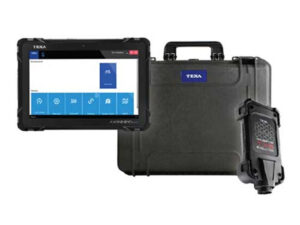
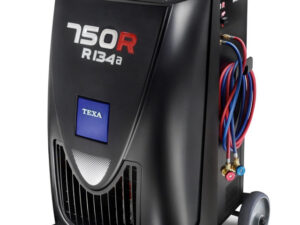
Unlike some conferences that focus narrowly on one segment, the FLAGFA vendor expo offered a wide lens on today’s fleet solutions. Nearly 100 vendors were present, representing everything from vehicle upfitting and fleet management software to accessories and specialized equipment.
Walking the floor, attendees could see:
- Upfitting Companies demonstrating the latest in lighting, storage, and safety solutions for municipal vehicles.
- Fleet Management Software Providers offering platforms to streamline scheduling, reporting, and compliance.
- Vehicle Accessories that improve usability and operator comfort.
- On-Vehicle Equipment like a brake rotor lathe designed for service efficiency.
- Outdoor Vehicle Displays ranging from a vacuum truck and trash collection to a patrol boat and police vehicles—giving managers a hands-on look at real-world assets.
The Value for Attendees: For fleet managers, the expo wasn’t just about browsing products—it was about finding practical, budget-conscious solutions to everyday challenges. Being able to compare tools side-by-side, ask questions directly, and see equipment in action offered insights impossible to get from a brochure or website.

KEY TAKEAWAYS BOX
- Leadership under pressure matters: Lessons from Phillips and Massey apply directly to fleet shops.
- AI is here now: Smart fleets are starting with small wins before scaling.
- Culture drives performance: Process, training, and communication unlock sustainable success.
- The expo fuels innovation: Vendors provide the technology bridge to the fleets of tomorrow.
CONCLUSION
The FLAGFA Fall Conference wasn’t just another industry event—it was a reminder that fleet management is equal parts leadership, technology, and teamwork. From pirate ships to predictive analytics, the stories and strategies shared last week will help shape smarter, stronger government fleets across Florida and beyond.
As Defy Diagnostics, we’re proud to be part of this community—showcasing solutions, learning from peers, and contributing to the shared mission of keeping fleets efficient and future-ready.
We look forward to seeing everyone again in March at the FLAGFA Spring Conference in Daytona Beach. Until then, the challenge is clear: take the lessons learned here and put them into action.
What leadership or technology takeaway are you most excited to bring back to your fleet? Share in the comments below.