
Snap-On vs Texa is one of the most common debates in professional diagnostics. For decades, Snap-On has been the go-to brand for technicians thanks to its tool trucks and premium reputation. But today, multi-industry platforms like Texa are challenging that dominance with broader coverage, lower lifetime ownership costs, and more transparent renewals.
In this article, we’ll break down the benefits, pros and cons, pricing differences, and real-world implications of choosing Snap-On versus Texa. By the end, you’ll see why many shops, fleets, and mobile technicians are moving away from proprietary platforms and investing in Texa through Defy Diagnostics.
Coverage: Depth vs Breadth
Snap-On shines in the automotive market with strong coverage across North American passenger and light-duty vehicles. Its integration with OEM data sources like Mitchell1 and Identifix makes it a powerful car and truck solution. Snap-On also covers some heavy-duty and powersports applications, but its depth is limited outside automotive.
Texa, on the other hand, is designed as a true multi-industry platform. With a single license you can cover:
- Passenger cars (domestic, Asian, European)
- Heavy-duty trucks & vocational fleets
- Off-highway equipment (construction & agriculture)
- Marine (inboard & outboard engines)
- Powersports (motorcycles, ATVs, UTVs, sleds)
This flexibility means a Texa investment grows with your shop. A Snap-On tablet might work well for automotive bays, but Texa equips you to take on every industry segment with one device.
Visual suggestion: Comparison graphic showing Texa coverage across 5 industries vs Snap-On’s primary automotive focus.
Pricing & Ownership Costs
Snap-On tools carry a high upfront price tag. A Zeus or Verus tablet can cost $8,000–$15,000+, with software renewals often ranging from $2,800–$4,200 per year depending on the platform. Proprietary cables and accessories add even more hidden costs over time.
Texa packages through Defy Diagnostics start in the $3,600–$9,500 range depending on configuration, with annual software renewals averaging $900–$1,500 per industry. Unlike Snap-On, Texa backs its hardware with a Lifetime Warranty as long as your subscription is active, eliminating forced obsolescence.
3-Year Cost Snapshot:
- Snap-On: $8,500 initial + $3,200/year = ~$18,100 over 3 years
- Texa: $6,600 initial + $1,200/year = ~$10,200 over 3 years
That’s nearly a 45% savings with Texa, while also unlocking multi-industry coverage.
Visual suggestion: Bar chart comparing 3-year total cost of ownership.
Usability & Performance
Snap-On is known for its polished interfaces and integration with repair databases. Many techs appreciate its guided diagnostics, but the learning curve can be steep, and training investments are often required to unlock its full capabilities. Proprietary hardware also creates workflow limitations if your shop uses multiple platforms.
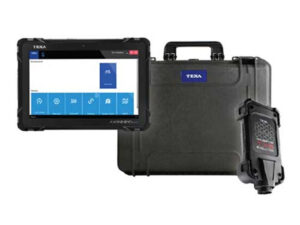
Texa delivers a clean, modern interface (IDC6 software) with intuitive navigation across multiple industries. Its Axone Voice and Axone Plus tablets are rugged, fast, and designed for real-world shop conditions. Pair these with the Navigator Multihub 2 interface, and you get CAN-FD compatibility, wireless freedom, and fast vehicle connections across every segment.
Texa’s system is built for scalability, meaning one tablet can move between your truck bay, marine slip, or motorcycle lift seamlessly—something Snap-On doesn’t offer.
Pros & Cons
Snap-On
- Deep OEM-level coverage for North American automotive
- Strong integration with repair databases
- Powerful bi-directional and programming capabilities
- High upfront and renewal costs
- Limited outside automotive (weak marine, OHW, motorcycle)
- Proprietary hardware lock-in
Texa
- True multi-industry coverage (Car, Truck, OHW, Marine, Powersports)
- Lower long-term cost of ownership
- Lifetime warranty with active subscription
- Modern IDC6 interface and CAN-FD capable hardware
- Requires annual renewal for updates (like all pro tools)
- Initial learning curve for shops only familiar with Snap-On
Future-Proofing Your Shop
As vehicles evolve with ADAS, electrification, and connected technologies, diagnostics must evolve too. Snap-On has begun integrating ADAS calibration but remains heavily tied to its automotive roots. Texa, however, is investing aggressively in ADAS calibration systems (RCCS3, CCS2), EV diagnostics, and multi-industry scalability.
This future-ready approach means Texa isn’t just a scan tool—it’s a platform built to keep your shop competitive as the industry changes.
Visual suggestion: Image of Texa RCCS3 ADAS calibration rig paired with Axone Voice.
Key Takeaways
- Texa covers every industry, while Snap-On is primarily automotive.
- Texa costs up to 45% less over 3 years of ownership.
- Snap-On locks you in with proprietary hardware; Texa is flexible and scalable.
- Texa is future-ready with ADAS, EV, and CAN-FD compatibility.
Conclusion
Snap-On will always be a household name in the tool world, but when it comes to diagnostics, the game has changed. If you want multi-industry coverage, predictable ownership costs, and hardware that won’t be obsolete in a few years, Texa is the clear choice.
For shop owners and fleet managers ready to invest in a platform that scales across automotive, truck, OHW, marine, and powersports—Texa through Defy Diagnostics is the smarter move. When you’re ready to explore the right package for your business, Talk to a Pro and get tailored advice for your operation.
Shareable Quote: “Texa isn’t just a scan tool—it’s the last diagnostic platform your shop will ever need.”
Discussion Prompt: Which matters more in your shop—coverage across industries or brand loyalty?
Content Upgrade: Download our free Professional Diagnostic Workflow Checklist to standardize your process and maximize ROI.
Newsletter CTA: Stay ahead with updates, industry news, and exclusive offers—join our Defy Diagnostics family today.